Lung cancer outcomes will not improve through isolated interventions alone. They will improve when health systems act across the full patient journey, from screening and diagnosis through to treatment access, patient support, and sustainable financing.
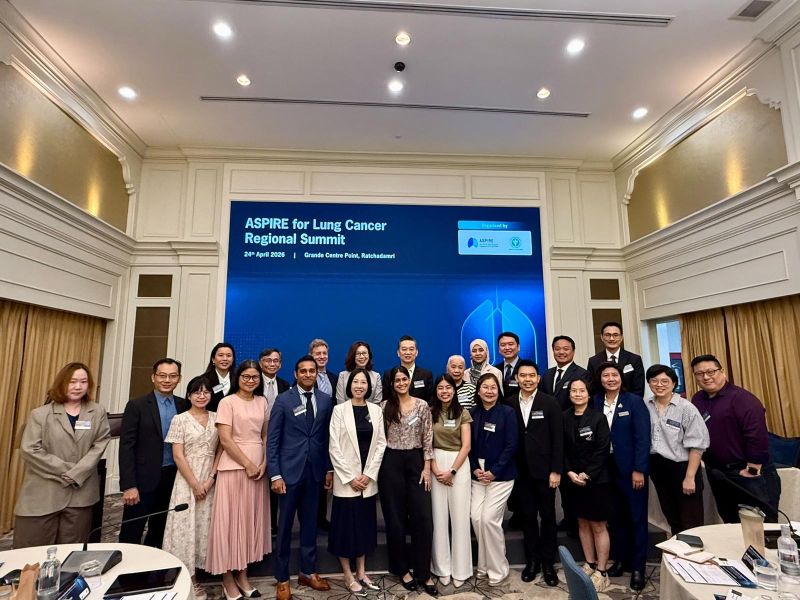
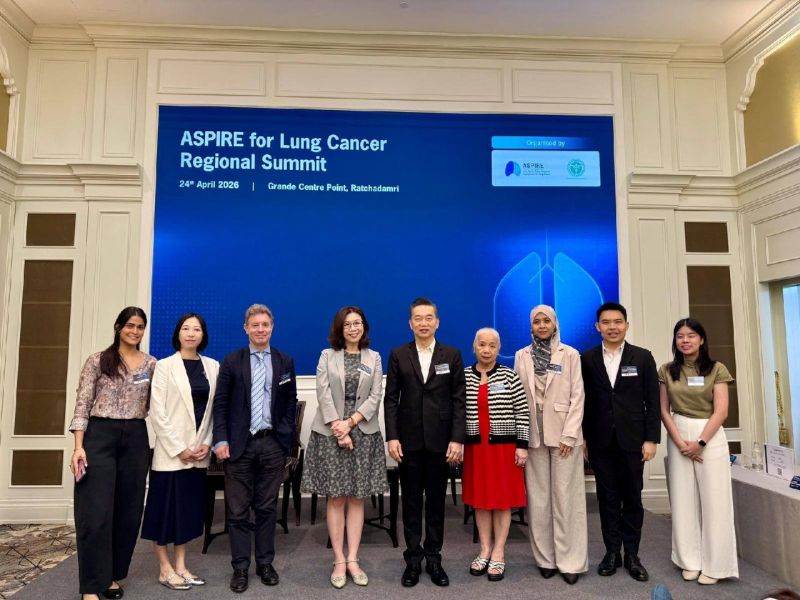
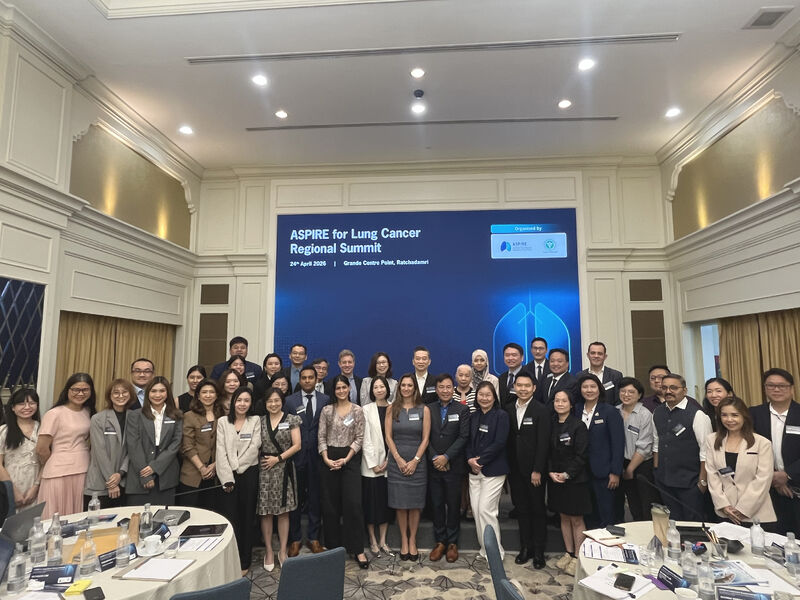
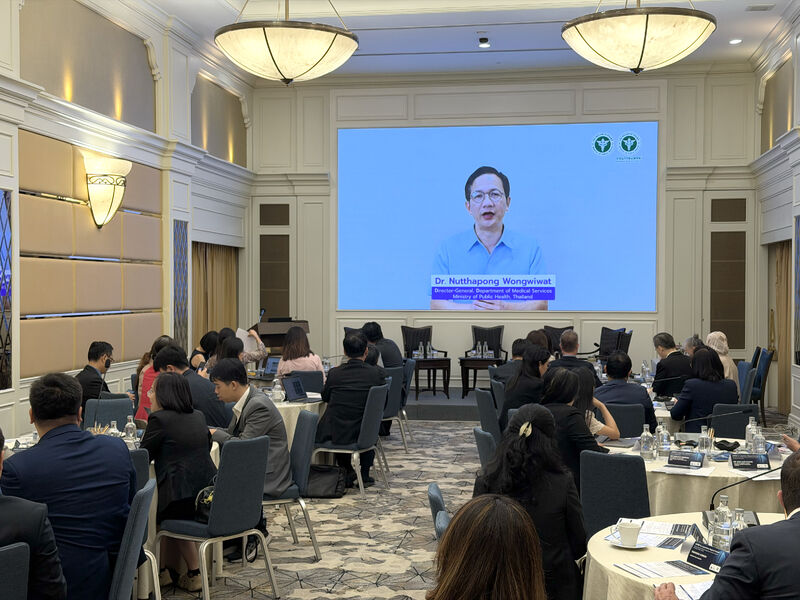
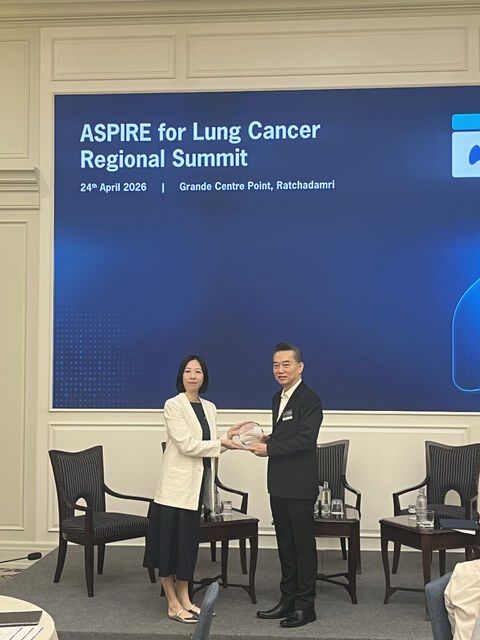
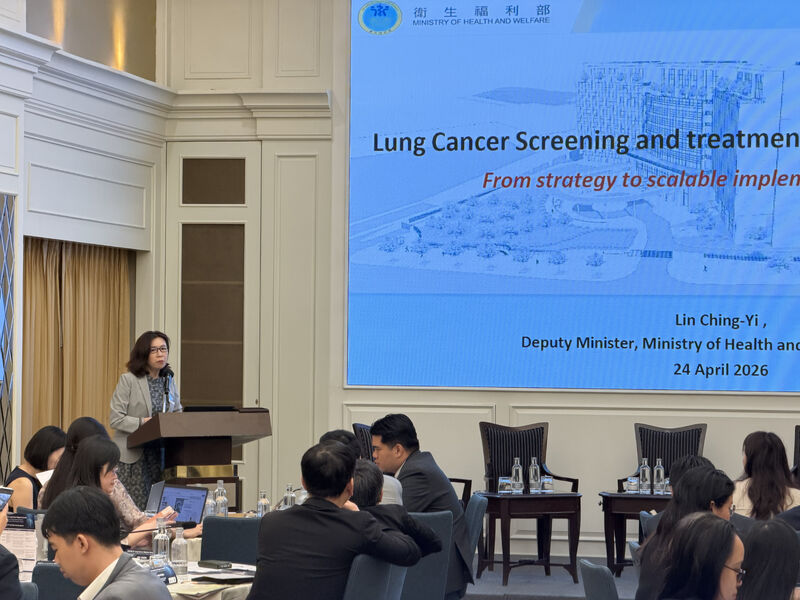
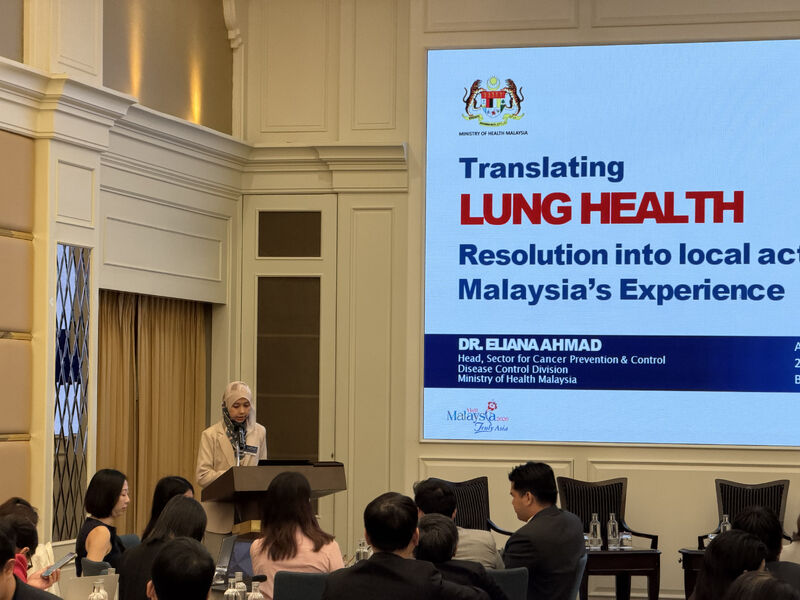
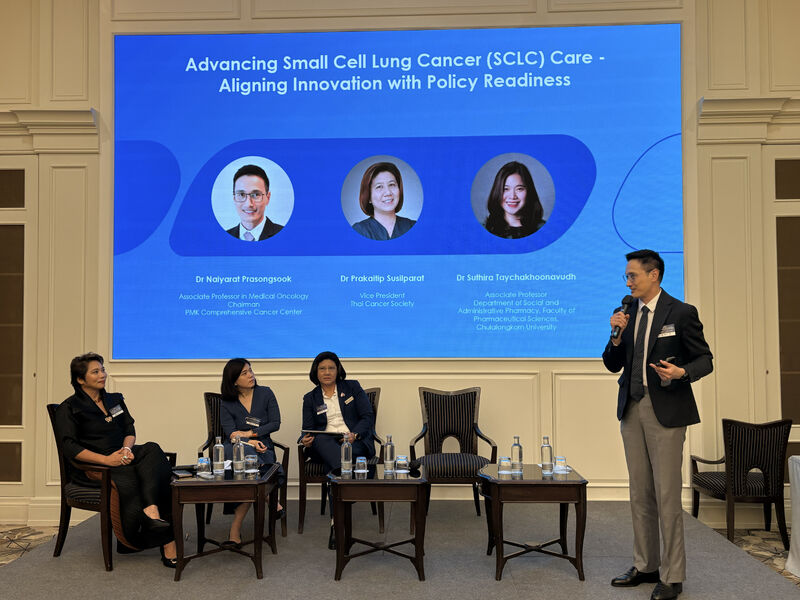
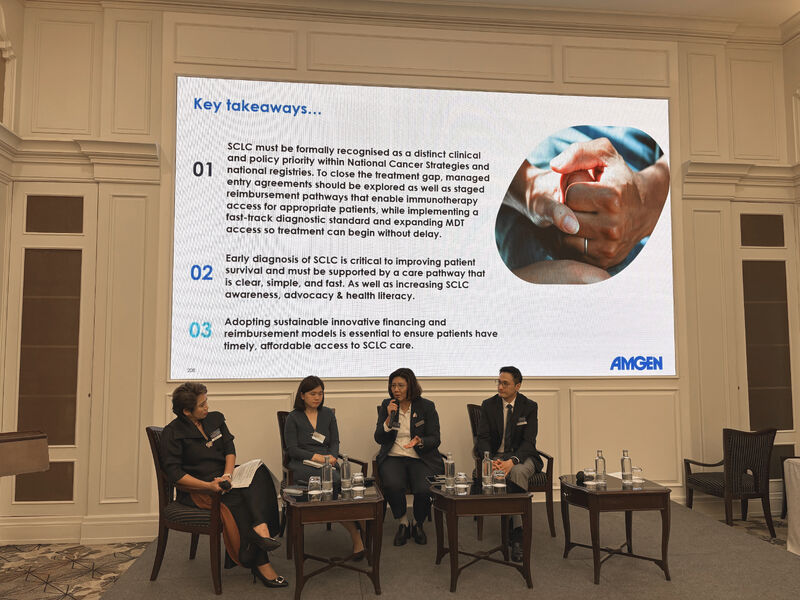
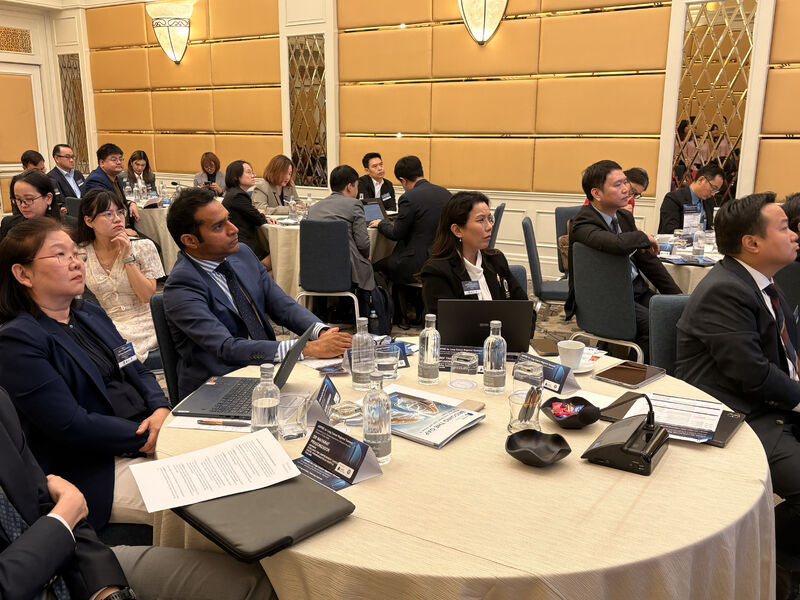
That was the clear message from the ASPIRE Summit 2026 which brought together health policy leaders, clinicians, academics, and patient advocates from across the Asia Pacific to turn regional consensus into practical action.
Across the discussions, several priorities stood out across the continuum for both NSCLC and SCLC:
🛡️ Prevention must remain foundational. Stronger tobacco control, action on environmental and occupational exposures, and sustained public awareness efforts will be essential to reducing lung cancer incidence over time.
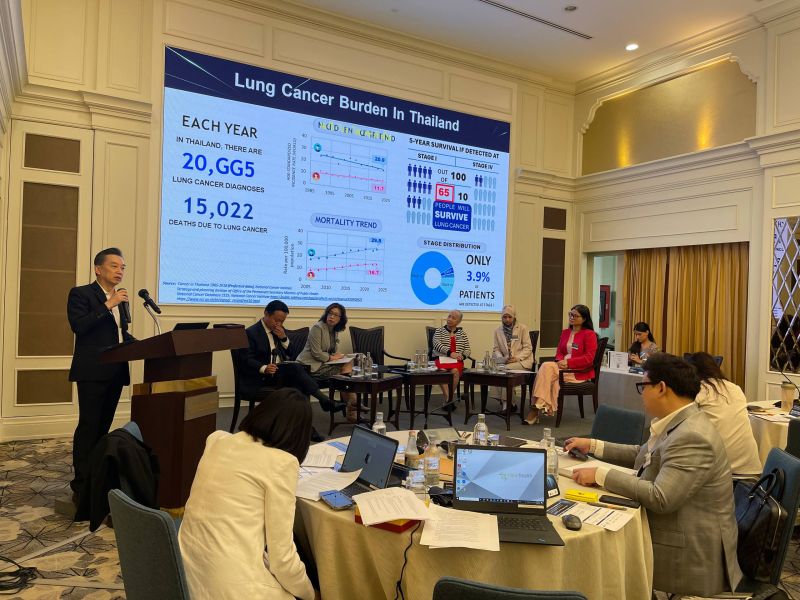
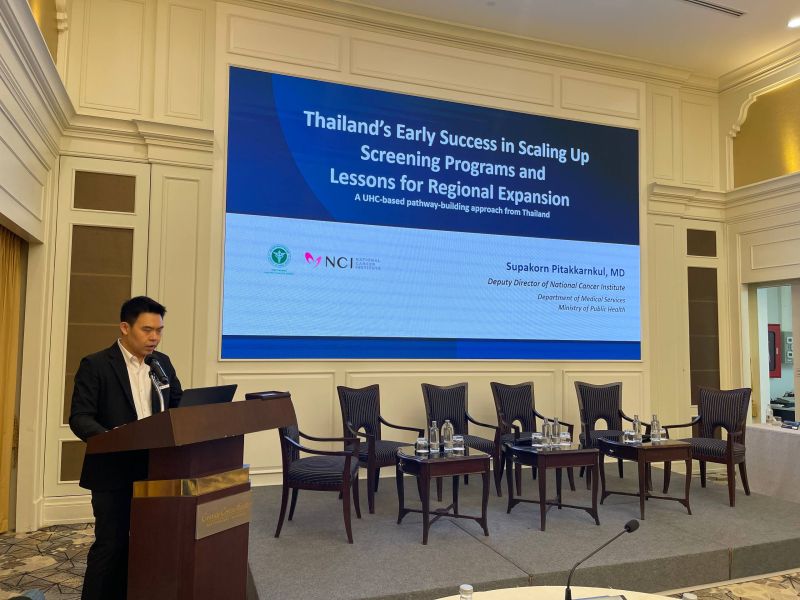
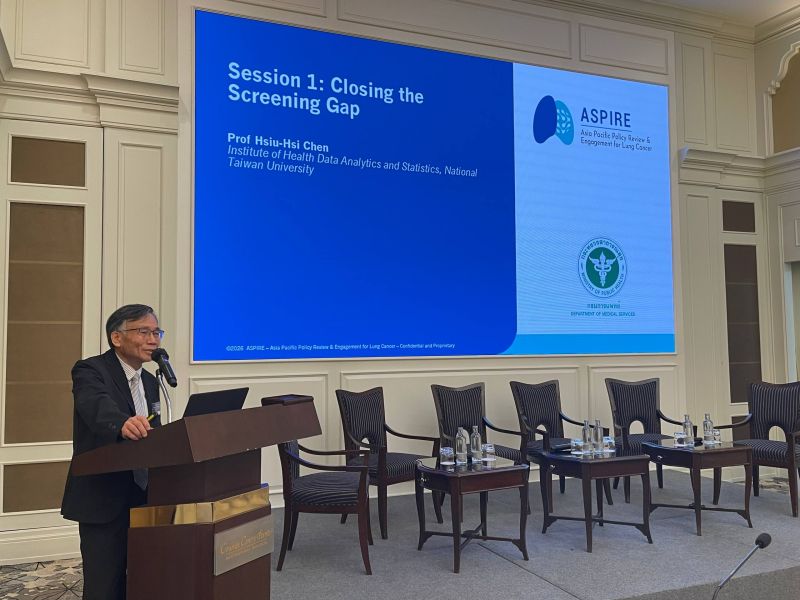
🔎 There is growing momentum behind screening and early detection, but important gaps remain in uptake, infrastructure, and integration into national programmes.
🧬Access to advanced diagnostics and biomarker testing continues to be uneven, with cost, capacity, and fragmented pathways limiting timely treatment decisions.
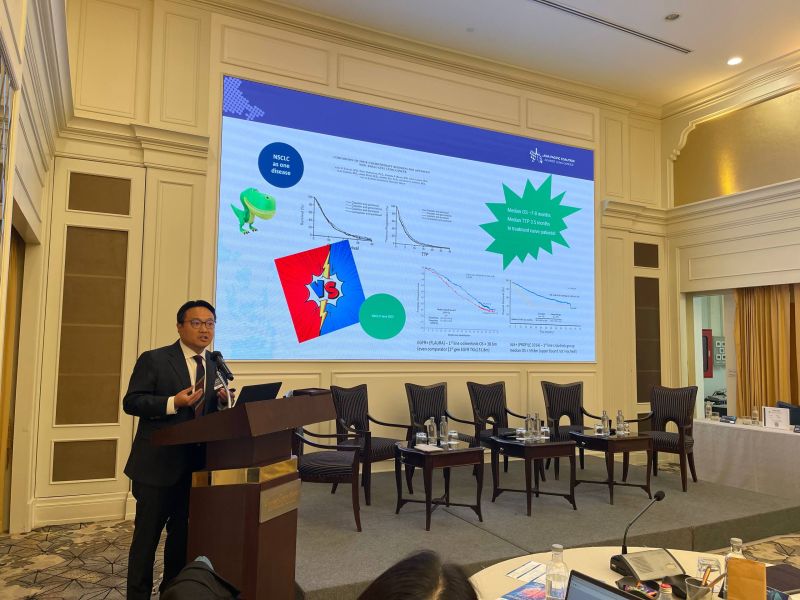
💊Access to innovative treatments remains highly variable across markets, shaped by reimbursement systems, HTA processes, funding constraints, and broader policy readiness.
🤝 There was also strong recognition that patient voices must be better integrated into programme and policy design, particularly to address real-world barriers in navigation, delays, psychosocial support, and continuity of care.
💡 And as health systems look to expand access, financing models will matter. Participants explored how public-private partnerships, risk-sharing approaches, and other funding mechanisms may help balance timely patient access with long-term sustainability.
What emerged was not just a list of challenges, but a shared direction of travel: more coordinated pathways, clearer ownership and accountability, stronger alignment between policy and implementation, and greater recognition of patient organisations as strategic partners in improving outcomes across NSCLC and SCLC.
Building on the Summit discussions, ASPIRE will translate these outputs into priority regional recommendations, health system-level implementation commitments, follow-up national dialogues, and a publication to help carry the insights forward.
We are grateful to everyone who joined and contributed so openly to these discussions, including health policy leaders, clinicians, academics, and patient advocates from across the region.
We also thank our funding members for supporting this event: Amgen, AstraZeneca, Johnson & Johnson, MSD, Pfizer, Roche, and Siemens Healthineers, alongside the valued contributions of all our supporting partners.
Stay updated by follow us on LinkedIn, and feel free to reach out if you wish to contribute or participate in these important discussions.




We are a collaborative multilateral effort focused on improving lung cancer outcomes in the Asia-Pacific region through policy reforms.
